Home

Utility

Home RSS Subscribe to Updates Contact Us

Main navigation

  • Who We Are
    • Who We Are
    • Team
    • Extended Team
    • What is the NERRS?
    • Advisory Board
  • What We Fund
    • What We Fund
    • Grant Types
      • Grant Types Overview
      • Collaborative Research
      • Catalyst / Knowledge Exchange
    • Advancing Collaborative Science Practice
      • Advancing Collaborative Science Practice Overview
      • Getting Started in Collaborative Science
      • Reserve Capacity Building Grants
      • Initiative to Understand Impact
  • What We Do
    • What We Do
    • Responsive and Engaged Science
    • Applied Research
      • Climate Adaptation Indicators and Metrics
      • Understanding Drivers of Usability
    • Project Management and Support
      • Collaboration Learning and Support
      • Data Management Support
    • Updates from the NERRS Science Collaborative
    • Collaborative Science for Estuaries Webinar Series
  • Projects
    • Projects Catalog
    • Projects Map
  • Resources
    • Resources Library
    • Applicant Resources
  • Guide to Collaborative Science
  • Stories

Science to Support Coastal Decision Making

About the Science Collaborative Project Catalog

Jobos Bay


Science to Support Coastal Decision Making

Webinar Series | Next Up:

How Capacity Building Grants Facilitate Future Collaboration

Tue 10/13/2026, 3:30 - 4:30pm EDT

Learn more » | View all webinars »

About the Science Collaborative Project Catalog

Jobos Bay

Webinar Series | Next Up:

How Capacity Building Grants Facilitate Future Collaboration

Tue 10/13/2026, 3:30 - 4:30pm EDT

Learn more » | View all webinars »

Announcements

New report now available: What Makes Engagement Meaningful? Insights from the NERRS and its Partners

Check out the 2026 Grant & Learning Opportunities available to the NERRS!

RESCHEDULED: The August 26 webinar, "Engaging with Cultural Ecosystem Services in the NERRS to Support Thriving Human and Natural Communities," has been rescheduled for September 23, 2025.

1/3   prev | next | archive »

We support user-driven, collaborative research that addresses coastal management issues important to the National Estuarine Research Reserve System.


Spotlight

sutton project photo
Project

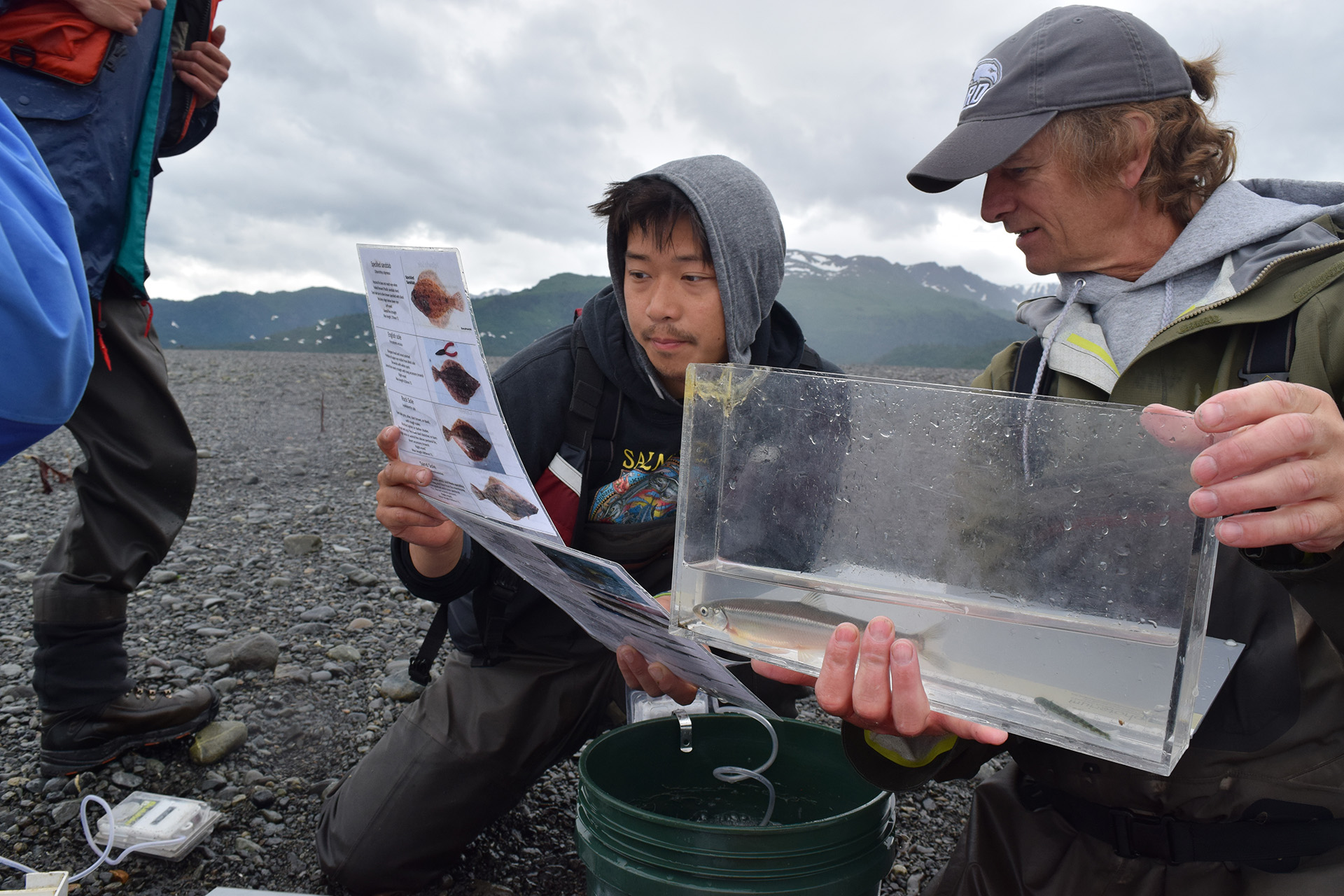
Explorations, Demonstrations and Novel Applications for Environmental DNA in Kachemak Bay

ADCP - measuring currents
Project

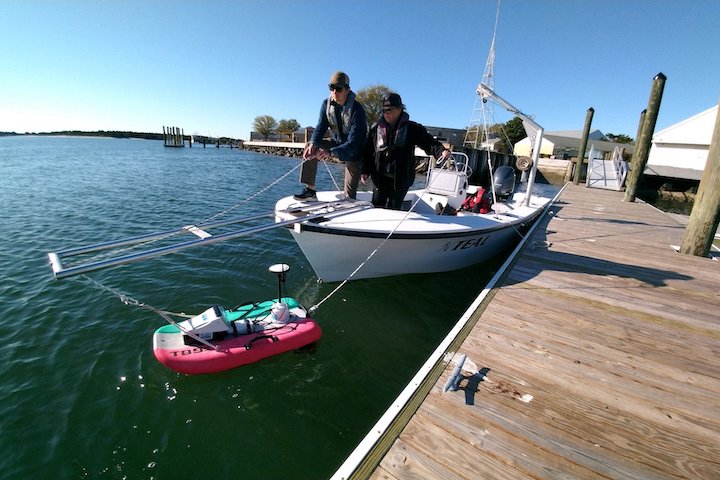
Improved Understanding of Sediment Dynamics for the Rachel Carson Reserve, North Carolina

Project Photo
Project

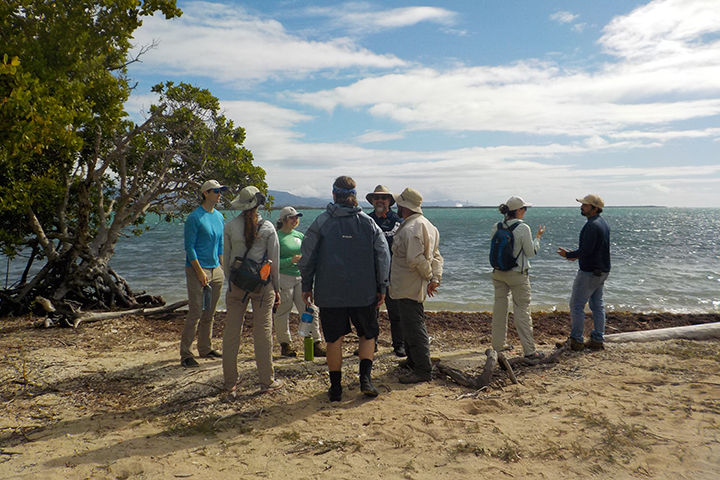
Mangrove Coast Collaborative / Colaboración en Mangles Costeros: Understanding Links between Degradation, Recovery, and Community Benefits
Browse all: projects » | resources »

In the Media

  NERRA: Study Reveals the Hidden Wildlife of U.S. Coastal Wetlands

  WCSC Television: Lowcountry researchers collect shrimp population data

  York River watershed faces growing challenges from development and erosion, officials say

  New report details the health of the York Watershed System, urges community stewardship amid growing pressures

  Oregon Public Broadcasting: Forested swamps on the Northwest coast are some of the biggest carbon storehouses around, new research finds

Upcoming Events

13
Oct
How Capacity Building Grants Facilitate Future Collaboration
Oct 13 2026 | 3:30 - 4:30pm
Webinar
Learn more »
10
Nov
Stories of Impact: Pathways to Collaborative Science
Nov 10 2026 | 3 - 4pm
Webinar
Learn more »

$46.18M

Total Funding Awarded

685

Resources Produced

468

Partner Organizations

667

Students Engaged


Stay connected:        

The Science Collaborative is managed by the University of Michigan’s Water Center, which is part of the Graham Sustainability Institute. The program is funded by the National Oceanic and Atmospheric Administration through a cooperative agreement with the University.

© 2026 The Regents of the University of Michigan | University of Michigan | Office of the Provost